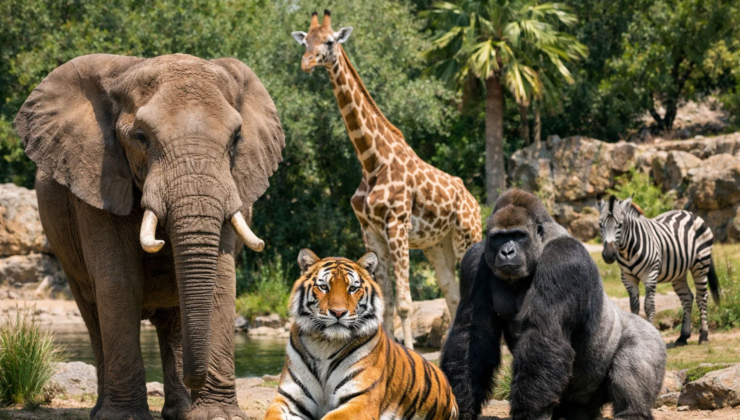
The zoo is a place that attracts crowds of visitors, especially families with children. For many people, it is their first encounter with different species of animals. The sight of a giraffe with a long neck or penguins moving with their funny gait can be awe-inspiring. However, this also raises some questions. Should people keep such animals in captivity? In this text, we will look at all aspects related to zoos. And at the end, there is a quiz waiting for you.
Can you recognize animals? Let’s find out! Take our other similar quizzes, such as the Mammals Quiz!
Probably everyone knows what a zoo is, but let’s explain it anyway for clarity’s sake. Well, it is a specially prepared area for keeping unfamiliar species of animals. People can come there to see and admire them. Zoos serve an entertainment function, but also an educational one.
Zoos can be found in many cities, but interestingly, this is not a new idea. The first gardens of this type existed even before our era! In Egypt, they were a symbol of power and only the richest could afford them.
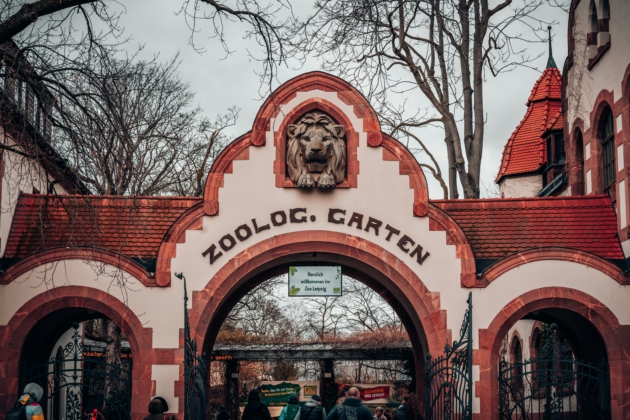
The first modern zoo created for ordinary people was established in the 18th century in Vienna. However, it was still different from the ones we know today, as at that time, poor animals were not cared for properly and were kept in cages that were too small.
Fortunately, today many modern zoos focus on creating large spaces where animals can feel as comfortable as possible. These spaces resemble their natural habitats, e.g., enclosures resembling glaciers, forests, or savannas.
There are also specialized places, such as oceanariums, where we can meet various aquatic creatures, as well as herpetariums created especially for reptiles and amphibians.
Although today’s zoos are much better for animals than those of years ago, many people still argue about whether we should create such places at all. Ultimately, these animals do not have complete freedom. However, the moral assessment is not that simple. Much depends on what a given zoo looks like and the conditions in which its inhabitants live. So what is the reality? Let’s analyze the ethics of zoos to find out what is good and what is not.
Some believe that even the best, most spacious enclosure cannot replace the animals’ natural environment. Depending on the species, these creatures travel varying distances, sometimes very long ones. In addition, many of them have specific needs, such as the need to hunt, bond with other animals, or establish territory.
In zoos, they have everything “on a plate,” which limits their natural behavior. Their food is provided for them, and they have no say in who they share their territory with or what it looks like. This can lead to stress and boredom, provoking aggression and other psychological problems that affect not only humans but animals as well.
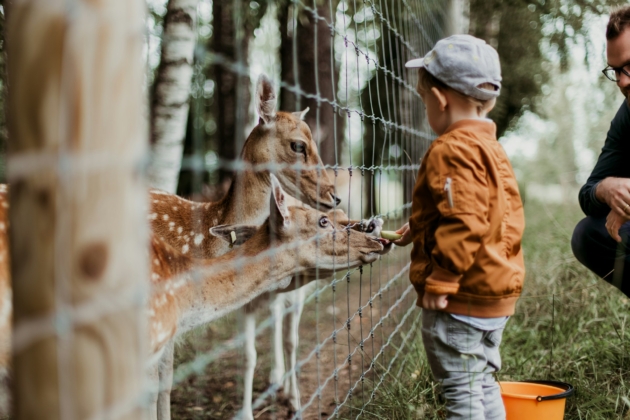
Another argument against zoos is that such ventures are created mainly for profit. People who visit them have to buy tickets, which enriches the owner of the land. So, can such a person be considered fully moral? It is unclear.
Unfortunately, the welfare of animals is sometimes pushed into the background. That is why it is important to assess the conditions and standards of care when visiting a zoo and, if necessary, report poorly maintained facilities to the appropriate authorities.
However, there are also some positive aspects of zoos that make it possible to provide an ethical environment for wild animals.
First of all, such intensive human care for animals can be useful for endangered species. By leaving them in the wild to fend for themselves, we risk them not being able to cope and the species becoming extinct forever, reducing biodiversity.
In a zoo with good conditions, animals are also completely safe, so they do not have to fear attacks by predators or hunger. They are also guaranteed specialized veterinary care in case of illness and various health problems, which they would not have in the wild.
Thanks to this, animals that would not survive in the wild can find peace and live a long life in the zoo. And people who visit them there can reap many educational benefits. Observing animals also increases empathy and sensitivity to nature.
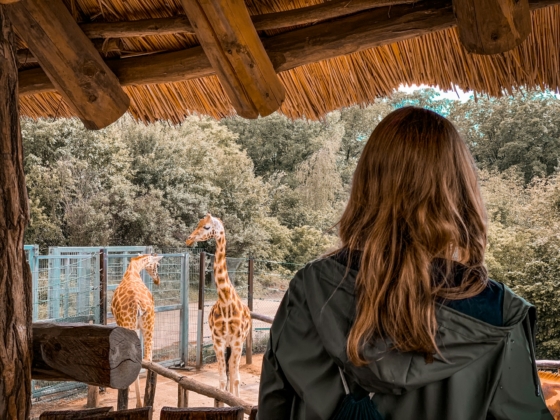
Zoo employees often organize special collections, foundations, and projects with good moral goals. They support environmental protection, raise funds to save animals, and genuinely care about the fate of these creatures. Such places are truly necessary, so in such cases, there is no point in arguing about ethics.
And what is your opinion about the zoo? Do you like going there? See if you can recognize different Bird Species based on your zoo and everyday observations!
You can see many species at the zoo. They are usually divided into different zones so that the animals have suitable conditions and touring is more organized. Thanks to this, when visiting the zoo, you can see animals from almost every continent, which has great educational value.
After all, there are some things we can only understand when we see them with our own eyes. And seeing a rhinoceros or jellyfish in real life is much more impressive than just looking at pictures of them in textbooks. Check out the animals you can meet at the zoo, and maybe they’ll encourage you to visit one.
This is the most popular group, which even includes us humans. It turns out that wild cats such as lions and tigers, as well as elephants, bears, and monkeys, are similar to humans in terms of their behavior.
What do we all have in common? When we have children, we feed them breast milk and take care of them until they reach the appropriate age. In humans, this takes quite a long time, but in animals, they usually grow up faster and become independent.
What’s more, we share a common ancestor with monkeys! That’s why it’s worth taking a closer look at them at the zoo. Can you see the similarity between yourself and an orangutan? Maybe you can!
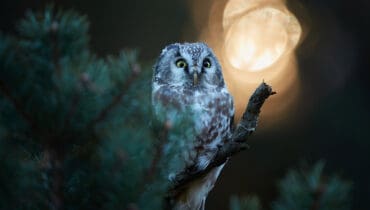
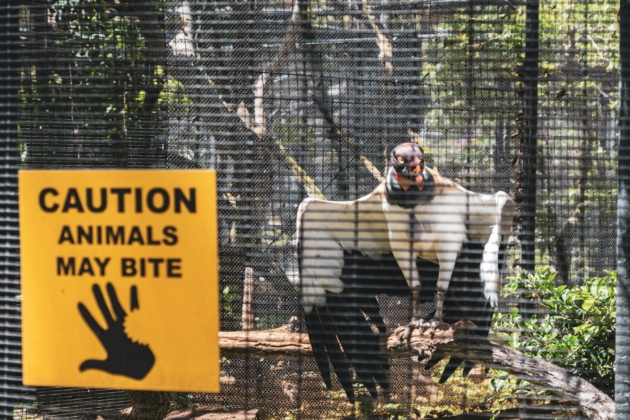
Some zoos also have special areas for flying animals, i.e., aviaries and birdhouses. There, you can see beautiful colorful parrots and toucans with large beaks. Majestic birds such as owls and eagles are also worth admiring.
And if the zoo has a special water enclosure, you can also see flamingos and penguins. Bird watching is really interesting, especially knowing that these animals evolved from dinosaurs! Although it is reptiles that we see more similarities with those giant lizards from Jurassic Park.
If the zoo has a terrarium, you can see reptiles and amphibians there, extraordinary creatures that were among the first animals to start life on land.
Many people are interested in dangerous snakes, such as giant pythons and boas. They are impressive, although not everyone has the courage to look at them for long! What’s more, there are also small, cute lizards and geckos, chameleons, which are difficult to spot due to their extraordinary camouflage skills, and sometimes even scary crocodiles and alligators.
Among the amphibians, there are sometimes colorful species of frogs that attract attention, but they are just as dangerous as snakes and crocodiles! Maybe even more so, because one little touch can kill! Phew, it’s good that they are behind glass!
Some animal parks also feature fish and other unusual creatures that live in large aquariums. The oceanarium can display a variety of species, from dangerous, shiny piranhas to cute clownfish known from the Disney movie.
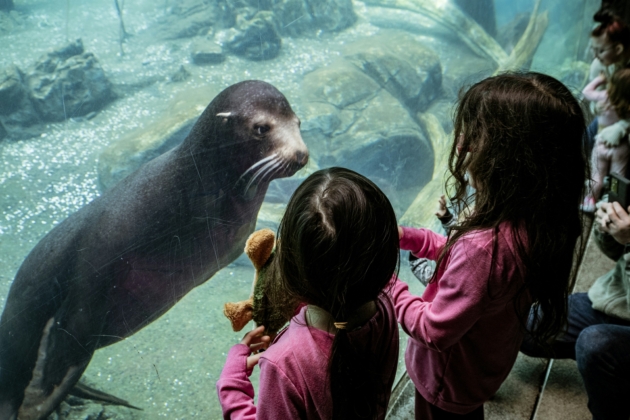
But you can also find seals, sea lions, otters in special pools, and even jellyfish and corals. These are animals from different groups, but what they have in common are specific environmental conditions that require a lot of work from zoo employees!
How much do you know about aquatic animals? Can you recognize them in our quiz? And if you want something special just about this group of wildlife, take our Fish Challenge!