The world we live in today is very different from the one our parents, grandparents, and great-grandparents lived in. Over the past few decades, there have been major technological, social, and cultural changes. With each decade, the pace of these changes has increased. What was once a luxury or a novelty available to only a few has now become commonplace, even a necessity.
Contemporary generations growing up in the digital world may not realize what life was like before the era of the internet and smartphones. Would you be able to find your way around in the old days? See if you can recognize the classic, old items that people used to use!
Technology has developed the fastest in recent years. And it continues to develop. But why has this particular field accelerated so dramatically? One of the key reasons was the accumulation of technological knowledge.
One invention formed the basis for subsequent ones, so they drove each other forward. People and large corporations benefited from modern technology, which is why countries supported the development of science in this area. They invested in research because they were driven by economic and political competition.
The United States spent enormous amounts of money on space and communications technology to become an even stronger country. Over time, technology also began to reach ordinary people, permeating every aspect of daily life, from work to entertainment.

A lot has changed since the 1960s. New inventions altered people’s lifestyles, the way they dressed, talked, and spent their free time. Each decade had its own distinctive features and goals for the future, which shaped the generations living in it. Let’s see how it all changed until today.
The 1960s saw enormous social and technological changes around the world. This was also true in the US, where this decade marked many important events in history. The Vietnam War was raging, stirring up protests, the political situation was tense, and the fight against racial segregation was still ongoing and causing controversy.
When it comes to significant changes that influenced the development of technology and inventions, one of them was certainly the moon landing. This step in the conquest of space motivated further action and interest in what is happening beyond our planet.
At that time, such important events were watched on television, which became the primary source of information and entertainment.
Almost every home had a television set. In addition, telephones began to appear in homes, although they were landlines, so outside the home, people had to use a phone booth. The lifestyle was based on the traditional family model, and technology was present but did not dominate everyday life.
Do you like vintage aesthetics? Could you recognize old items? Test yourself in our quiz! And we also have the Apple Fan Test for you!
This period was also an interesting time to live through. The Vietnam War ended, and important events concerning the protection of civil rights took place. Although the hippie movement originated in the 1960s, during this period it became more popular and permeated culture and everyday life, influencing fashion, lifestyle, and ways of thinking.
Numerous revolutions brought more freedom, and the energy crisis shook the economy and became a catalyst for a new era of research and investment. The first personal computers began to appear, although they were expensive, so they were mainly used at work. Televisions and radios still reigned supreme in homes, but they too evolved.
Almost everyone could enjoy color on their screens, and cassette tapes allowed people to record music and listen to it at any time. Telephones were still landline-based, but lifestyles began to gradually change, allowing for more possibilities.
These years were very colorful and also brought many changes. Economic growth in the US reduced unemployment, allowing people to live at a slightly higher standard. A consumerist lifestyle began, thanks in part to the increased availability of certain products that were once reserved only for the wealthiest.
For example, people began to use personal computers more often at home, not only for work but also for entertainment. The first Apple and IBM models appeared on the market. Video games and consoles, loved by kids, also appeared. Telephones were still landline-based, but the first cell phones began to appear. Because they were very expensive, they were mainly used by businesspeople.
The lifestyle in the US changed as a result. It became more dynamic, and technology began to be seen as a symbol of success.
The world moved forward and bore fruit in the 1990s. A growing economy driven by innovation gave us something completely new—the internet. It was a groundbreaking discovery, although at first it was slow and limited. But even then, it was changing the way we communicated and accessed information as we gradually entered the digital age.
Cell phones were already widely available. New models were constantly being introduced. They were mainly used for making calls and sending simple messages. At that time, the focus was on practicality and small size, so that the phone would not take up much space in your pocket or purse. CDs appeared, replacing cassette tapes and VHS, allowing for convenient reception of sound and images.
Computers were already a standard piece of household equipment. But despite such rapid cyber development, there was still a clear boundary between the online and offline worlds.

Are you ready for our Old Items Quiz? Take it, then move on to the Technology Test!
The beginning of the 21st century was very turbulent. The war against terrorism, the financial crisis, and natural disasters made this time difficult for many people. But technological development did not stop; on the contrary, it accelerated rapidly. The internet became an increasingly common tool with a wide range of uses. Social media emerged, completely changing the world and influencing the way people communicate with each other.
Cell phones gained new features such as cameras, video recording, and access to simple applications. This allowed for better information exchange between people. Lifestyles became increasingly screen-based, and this has remained the case to this day. Technology has become an integral part of everyday life.
People who were born after this whole process of technological development may not realize how many tiny steps we have taken along the way. Since the 1960s, a multitude of devices have appeared on the market that are no longer in use today. They can now be found in museums, antique shops, and vintage stores.
The current generation, on the other hand, grew up with touch screens from childhood. They do not remember what the world was like without the internet, so instant access to information and entertainment is something natural for them.
It is difficult for them to imagine a time when you had to look up information in encyclopedias or go to a phone booth and pay with coins for a phone call. Rewinding cassettes is also an unfamiliar habit for them. This generational difference shows how much the world has changed in a relatively short period of time.
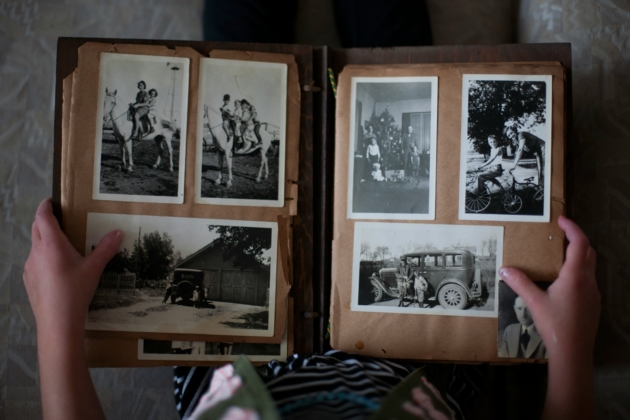
Were you born after 2000? Test yourself with the Old Items Quiz! And then take the – What Am I Good At Quiz.
Rapid technological development has brought benefits by facilitating communication and increasing work efficiency. But it has also brought challenges, and the world will never return to what it once was. That is why knowledge about past years and technological developments helps us better understand older generations and how the world works. How much do you know? Can you guess old items from years gone by? Take our Old Items Quiz and find out!