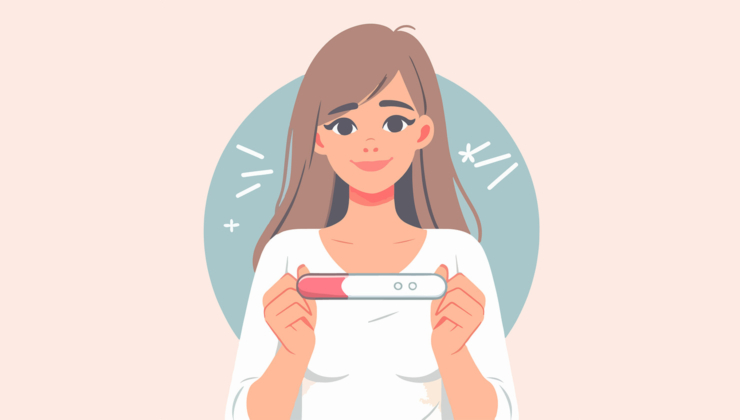
Pregnancy is a condition that can occur in a sexually active woman when no contraceptives are used or when they fail for some reason. In the early stages, pregnancy can be suspected based on several key symptoms, although these are so subtle that they may also indicate other conditions and processes occurring in a woman’s body. Want to be more certain whether you’re pregnant before taking a pregnancy test or seeing a gynecologist? Answer our questions and find out how likely it is that you’re expecting a baby.
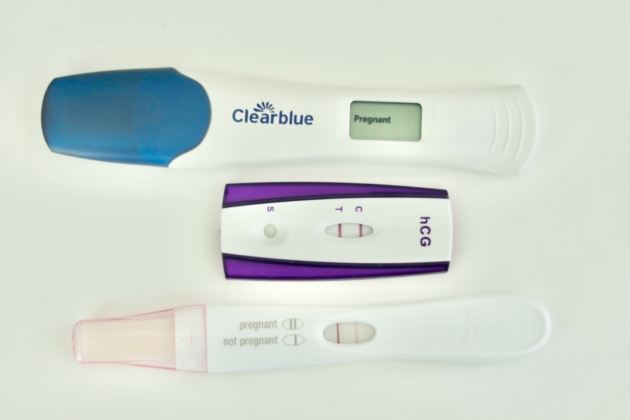
From the moment of conception, a process begins in a woman’s body that lasts about nine months and brings about many significant changes. Although pregnancy is a completely natural state, it can still place a certain strain on the body, causing minor and major discomforts. After all, creating an entire human being from tiny cells is no easy task, so a woman’s body has to work quite hard. Find out what these changes are and what symptoms may be associated with being pregnant.

First, the uterus enlarges because that is where the fetus will grow. It must therefore accommodate the fetus along with the placenta and amniotic fluid. To make this possible, the uterus begins to grow as early as the first weeks of pregnancy. Although this growth may be imperceptible at first, certain related symptoms may appear over time, especially starting in the seventh week of pregnancy.
Its enlargement can leave less space for the bladder and put pressure on it, leading to a stronger urge to urinate and, consequently, more frequent trips to the bathroom. A woman may also feel a stinging sensation in her lower abdomen, which can intensify when she moves rapidly.
Other symptoms caused by the enlarged uterus include digestive issues such as heartburn and bloating. These are also the result of reduced space for other organs, such as the stomach and intestines, which consequently slow down digestion.
The uterus grows due to the action of specific hormones that stimulate tissue growth. These hormones can also cause other side effects while you are pregnant.

When you are pregnant, the levels of certain hormones naturally change; these hormones are necessary to activate vital processes in the body, preparing it for the gradual development of the fetus. Most notably, there is an increase in chemicals such as progesterone and estrogen. This is associated with the typical bothersome symptoms that women experience during pregnancy.
For example, increased drowsiness and fatigue. The disruption caused by hormonal changes affects the nervous system, calming it much like sedatives do. Furthermore, all the other changes taking place in the body also drain its energy, further increasing feelings of weakness.
Another important sign is nausea, which can lead to unpleasant vomiting. This is linked to yet another hormone that typically appears during pregnancy, which directly affects the part of the brain responsible for nausea. It also results from a sudden increase in the previously mentioned chemical compounds, which slows down stomach activity and increases sensitivity to odors. These symptoms usually appear in the morning, as that is when hormone levels are at their highest.

Being pregnant causes not only typical physical symptoms but also psychological ones. Mood swings can be associated with stress or disorders such as depression, anxiety, and others. However, sometimes, instead of seeing a psychologist or psychiatrist, you need to see a gynecologist. This is because pregnancy can significantly alter a woman’s overall mental state.
Symptoms such as increased irritability, meaning a more intense experience of emotions even in trivial situations, may occur. Women may also experience sudden shifts from one emotion to another, for example, from joy that makes them laugh to sadness that causes them to burst into tears. Anger, anxiety, and other unpleasant feelings may also arise. These changes may be particularly noticeable to loved ones, leading to increased arguments and conflicts.
The cause of this is not only the hormones we’ve already mentioned, but also the fact that a whole host of unpleasant physical symptoms associated with pregnancy can affect overall mental well-being. After all, nausea, various types of pain, and stomach and urinary issues are no fun at all!

Women who suspect they are pregnant should also check their breasts. The human body is, after all, very forward-thinking! Even at the very beginning of fetal development, the mom’s organism prepares for the final stage, when the baby will need to be breastfed after birth.
For this reason, the mammary glands enlarge to make room for milk. So you may notice that a bra that always fit well is starting to feel a little tight. What’s more, your breasts become much more sensitive to touch, which can be downright unpleasant, as they may also feel sore or even itchy. In addition, your nipples may darken, small lumps may appear in that area, and you may notice prominent veins on the skin of your breasts due to increased blood flow. Your breasts can therefore give you a clue as to whether or not you’re pregnant.
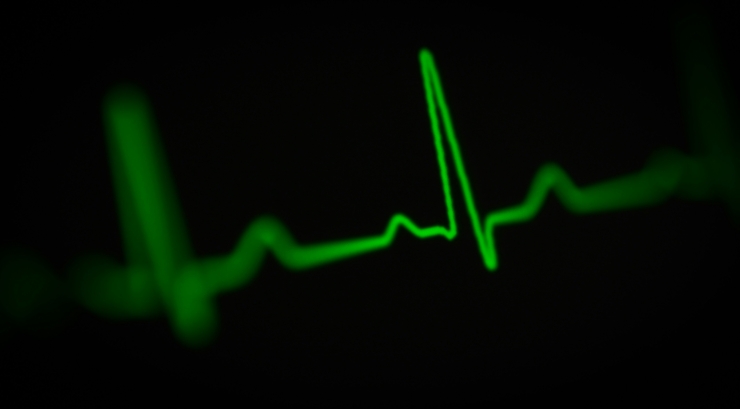
There are also symptoms that seem to have nothing to do with being pregnant. However, so many changes take place in the expectant mother’s body during this process that symptoms can originate from any part of the body, including the heart.
As early as the first few weeks, a woman’s body begins preparing for the growth of a fetus with quite substantial needs. Among other things, the fetus will require more blood, which is why a woman’s blood volume increases by a significant percentage during this time. And this causes certain side effects. As a result, the heart beats faster, and the resting heart rate increases.
You’ll notice this symptom when you place your hand on your chest and feel your heart beating strongly, even sensing its individual beats. And as if that weren’t enough, other issues also arise, such as feeling really exhausted after even minor physical activity. Even a little movement can leave you out of breath! On top of that, you might experience dizziness and muscle tremors. This doesn’t mean you’re a weak woman, but perhaps you’re pregnant?
If you want to find out if you might be pregnant by answering a few simple questions, take our special test designed for this purpose. We’ll give you a quick result that might put your mind at ease. Keep in mind, though, that this isn’t a professional test, because there’s only so much we can do from a distance! Nothing can replace a medical exam, which will confirm what’s going on inside you.
What’s more, some women experience the early stages of pregnancy very subtly. They don’t have any unpleasant symptoms, which might make others envy them, but at the same time, they may not realize what’s going on for a long time. So even if you don’t notice any clear signs, you may still be pregnant! That’s why, if you’re still worried, don’t wait any longer. Just take a pregnancy test or make an appointment with your gynecologist! That’s the only right option.
Are you interested in similar quizzes? On our website, you’ll find a wide variety of content, not just games and entertainment. We also cover topics related to women’s health. See also: Am I Ovulating?