

Being a woman isn’t easy. Puberty can be a tough time, and things don’t get any easier as you get older. Even though a girl gets used to her regular cycle, she may still have trouble figuring out how long it lasts and where she is in the cycle right now. And sometimes that knowledge comes in handy. Especially when the time comes for a couple to decide to expand their family and try for a baby.
Are you dreaming of a little one, too? Or maybe you’re just here to learn more about your body? Either way, we invite you to check out our short article and “Am I Ovulating” quiz, which will help you learn a bit more about ovulation.

And if you confused ovulation with an ovation or thought it was something completely different, don’t be embarrassed, just move on to another quiz! Click here, because we have something fun for everyone!
Let’s start with the basics, which you should have learned in biology class, but unfortunately, teachers don’t always cover them. Sometimes you have to take matters into your own hands. And generally, it’s worth knowing exactly what’s happening inside our bodies and how it affects us. It’s also really fascinating.
As you probably know, every woman who has reached a certain age (usually around 14, but depending on the person, it can be a few years earlier or later) has a menstrual cycle, where a specific, recurring biological process takes place roughly every month. The female body prepares for the possibility of reproduction by going through various phases.

To put it simply so everyone can understand, it all starts with that dreaded menstruation, accompanied by uncomfortable but normal bleeding and pain. However, this doesn’t happen without a reason, because after this cleansing of the body, special follicles begin to grow, from which an egg is later released, waiting to be fertilized.
That’s when ovulation occurs, which can bring certain signs. That’s also when the chances of getting pregnant are highest.
But if you’re not interested in that, then when fertilization doesn’t occur, the egg and the follicle simply give up and wither away. The body naturally absorbs or expels them, which again results in an unpleasant period and the cycle repeating.
Is everything clear? Maybe no one has explained this to you properly yet, but now you know what’s going on!
The menstrual cycle wears us women down, over and over again, until we eventually face a new challenge: menopause. But before we get there, it’s worth paying attention to when ovulation actually takes place. This is crucial if you’re trying to get pregnant, so you’ll know when to convince your partner to spend some… special time just the two of you.
To calculate the best time to start, you first need to know how long your entire cycle actually lasts. Here’s the catch: every woman’s cycle can be a little different, sometimes shorter, sometimes longer.
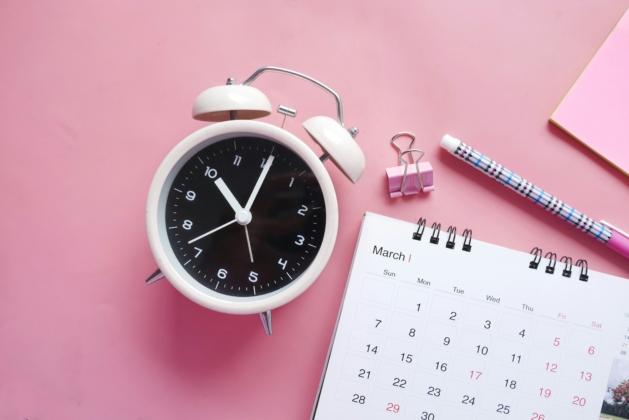
Generally, experts say the cycle ranges from 21 to 35 days, which can sometimes be over a month. So keep track of how many days pass between periods, ideally by making small notes in a calendar, and note whether the duration is consistent each time. If not, this could be a small problem, and in that case, it’s worth seeing a gynecologist to determine the cause.
But once you’ve finally determined the length of your cycle, you can easily calculate when ovulation is likely to occur. Usually about two weeks or more, if your cycle is longer, after your last period. There are also some tips on how to recognize ovulation, but for that, we invite you to take our “Am I Ovulating” quiz!
If you already have a rough idea of when to plan a hot date with your man, you’re probably also wondering how much time you have for some fun. How long does the window for conception last? Well, unfortunately, the ovulation process itself doesn’t last very long. Usually, it’s anywhere from about 12 hours to a full day. And that’s it, the egg is impatient and doesn’t like to wait long! But don’t worry, it’s better not to feel pressured, because doing it in a rush and under stress actually reduces your chances.
The good news, however, is that you can start trying earlier, even a few days before ovulation. The chances are very high then, too. Why? Well, it’s simple! A woman’s body is a welcoming environment for a man’s sperm, much like a home. If these little cells get in there, they’ll gladly stay a little longer so they can make it until the egg is released, an invitation they won’t refuse either.
So don’t worry, even though ovulation is brief, you have some time to finally welcome a new family. And let’s not forget that this magical female cycle repeats over and over again. So you can keep trying until you succeed!
Want to relax a little? Why not try one of our fun games, like the Truth or False Challenge!
As we mentioned, tracking ovulation and understanding your menstrual cycle is helpful when you’re trying to get pregnant. But you may have also heard that it’s useful for avoiding pregnancy? Well, in that case, we don’t think relying on a calendar is the best approach. Seriously, we live in such an advanced age that humanity has come up with much better methods of contraception. And calculating which days a woman is fertile and which she isn’t often causes problems, even though it isn’t complicated math.
The problem is that a cycle can last a different number of days depending on the person, but it can also vary for the same person. Even if you’ve always had a regular cycle that you were proud of, a sudden situation, such as illness, stress, or even a change in diet, can affect your body and, consequently, your cycle.
Then you’ll miscalculate your days and, well… an accident might happen. And yet, it’s important that you’re the one in control of what happens to your body and when, especially when it comes to such an important process as pregnancy and having a child. So try other methods instead of relying on guesswork.
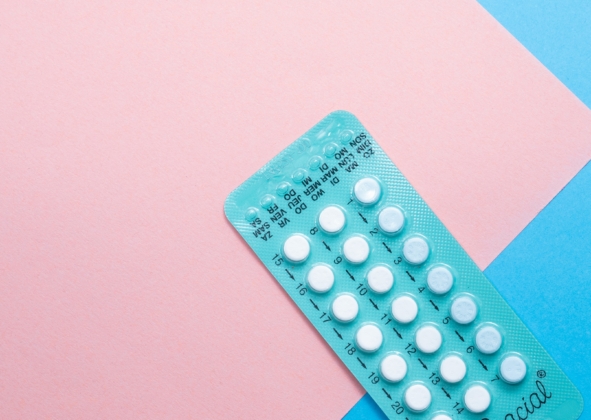
For example, using a barrier method, which will protect you not only from an unwanted pregnancy but also from various diseases. You may not assume that your partner will immediately infect you with something, but you can never be too careful. In addition, there are options such as birth control pills, or, for men, a vasectomy. It’s best to visit a trusted gynecologist and ask for advice. A specialist should be able to help you choose the best method.
It might sound funny to test for ovulation with a quiz, but… it can be done! We’ve simply included all the signs and symptoms you might experience during ovulation that you may not have noticed before. We also recommend preparing a few things that will make it easier for you to answer the questions.
First of all, it’s a good idea to have a thermometer handy. Yes, we’ll ask you what your temperature is. But if you don’t have one, don’t worry. Just place your hand on your forehead and see if you feel hotter than usual. It’s also a good idea to have your menstrual cycle calendar handy (if you have one; if not, a regular calendar will work just fine).
And of course, a good memory and paying attention to your body! Maybe you won’t notice any signs of ovulation while taking the quiz, but you’ll be aware of them by then so you can spot them in the future. So that’s it. Good luck!

You’ll find lots of interesting things on our site. Although, to be honest, we usually cover lighter topics. For example… Animals! Can you recognize them from the photos?